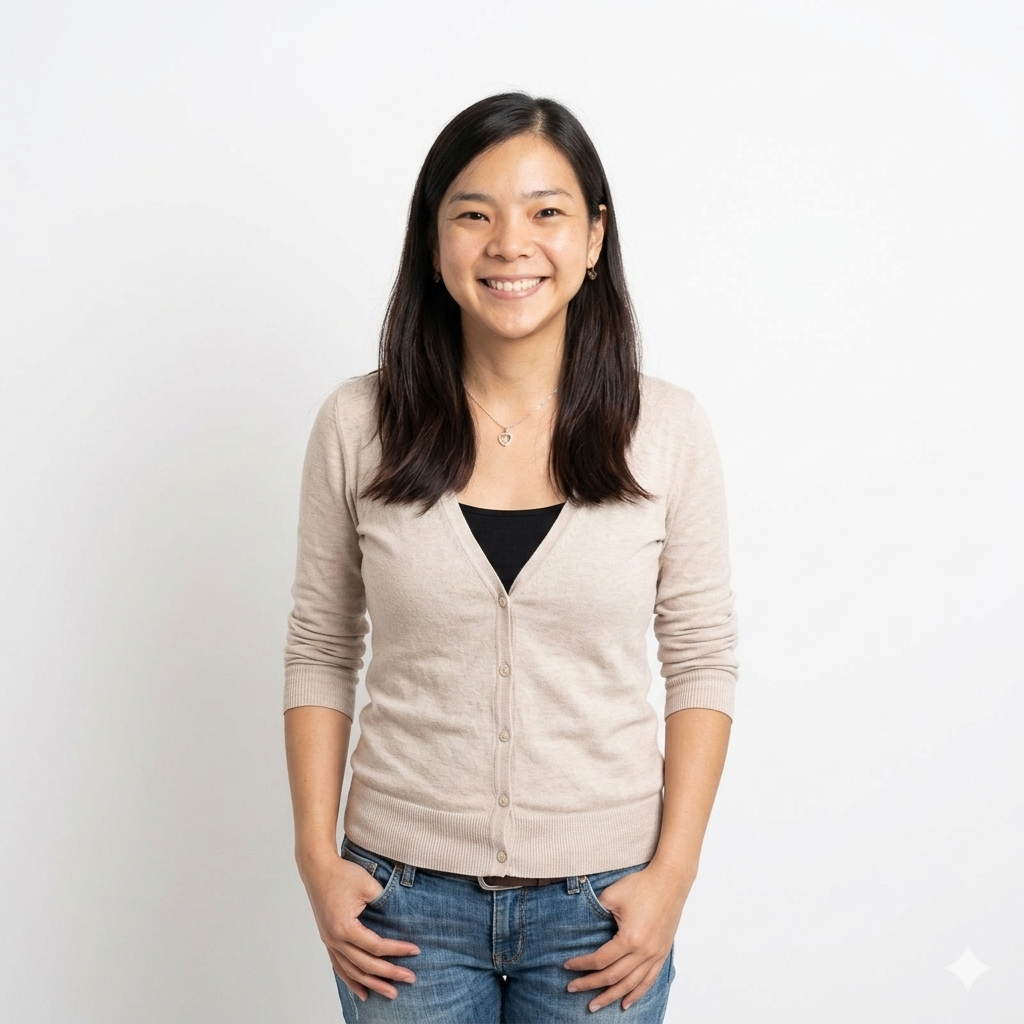
👋 Hi, I‘m Joanne.
I'm a curious and creative thinker with a background in cartography, UX, user research, communications and digital projects. I enjoy understanding people, making sense of complexity, telling stories and turning ideas into meaningful experiences.
🌿 Beyond work, I'm a coffee lover, food explorer, yoga enthusiast, and dog lover. I enjoy travelling, reading, observing human behaviour and finding inspiration in the little things in life.